Mother’s Day
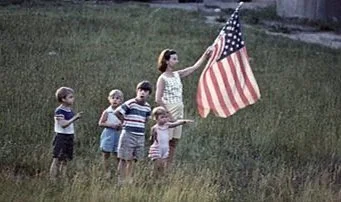
Chicago History Museum, ICHi-062720; Declan Haun, photographer
Ann Marie Jarvis, the daughter of a Methodist minister, gave birth to 12 children, although only four survived into adulthood. In the Appalachian Mountains of Virginia, she organized "Mother's Day Work Clubs" to fight infant mortality by providing medication and improving sanitation. During the Civil War, these clubs cared for soldiers from both sides. In 1868, she organized "Mothers Friendship Day" to unite families divided by the war. In 1876, her daughter Anna heard her pray for a day recognizing mothers' service to humanity.
Ann Jarvis died in 1905. That year, her daughter Anna Jarvis launched a campaign to set aside a day to honor the importance and influence of mothers. Anna organized a celebration at the church where her mother taught Sunday school. She wrote letters to everyone from Mark Twain to Theodore Roosevelt. With the help of department store owner and philanthropist John Wanamaker, who is credited with inventing the price tag, she organized the first official Mother's Day in Philadelphia.
Although Congress rejected the idea of a national Mother's Day in 1908, the idea caught on with states. In 1914, Congress finally passed a bill making the second Sunday in May Mother's Day, and President Wilson issued the first presidential Mother's Day proclamation.
Mother's Day quickly became one of the most profitable holidays in America. This was much to the dismay of Anna Jarvis, who spent the rest of her life trying to abolish the holiday she worked so hard to establish.
In 1942, Congress made Mother's Day a Flag Holiday. So, give your mother a nice card, and fly a flag in her honor.